How to Heal Chapped Lips in Winter (Fast, Simple Fixes)

Chapped lips are the most annoying small problem of winter. They show up fast: a few cold days, a few hours in heated air, and suddenly your lips feel tight, look flaky, and crack every time you smile or take a sip of something hot.
Chapped lips happen because the skin on your lips is thinner than the skin anywhere else on your face, and it has no oil glands of its own. That means it cannot make the moisture it needs. Cold air and dry indoor heat pull what little moisture is there straight out. The good news is that the fix is simple, cheap, and fast. Most people feel better in two or three days with the right routine.
Why Lips Get So Bad in Winter
- Lip skin is thinner than facial skin. It loses moisture faster and has less protection against cold and wind.
- Lips have no oil glands. Unlike the rest of your face, your lips cannot make their own oil to seal in moisture.
- Cold air and indoor heat dry them out. Every winter day pulls moisture from your lips, hour after hour.
- Licking makes it worse. Saliva evaporates quickly and leaves lips drier than before, so licking dry lips starts a cycle that never ends.
- The wrong balm can make it worse. Balm with camphor, menthol, eucalyptus, or added fragrance feels cool at first, then dries your lips out more. Flavored balms also make you lick your lips more.
- Sunscreen gets forgotten. Lips can burn and dry out from winter sun too, especially with snow reflecting UV back up at your face.
What You Need
- A plain, fragrance-free lip balm or ointment with petroleum jelly, ceramides, or shea butter
- A balm with SPF 30 or higher for daytime
- A small jar of plain petroleum jelly for overnight repair
- A soft washcloth or a gentle sugar scrub for flaky skin, used only when lips are not cracked
- A humidifier for the bedroom, if your lips are worst in the morning
How to Heal Chapped Lips Fast
- Stop licking your lips. This is the hardest step and the most important one. Every lick dries them further. Keep balm in your pocket so you reach for that instead.
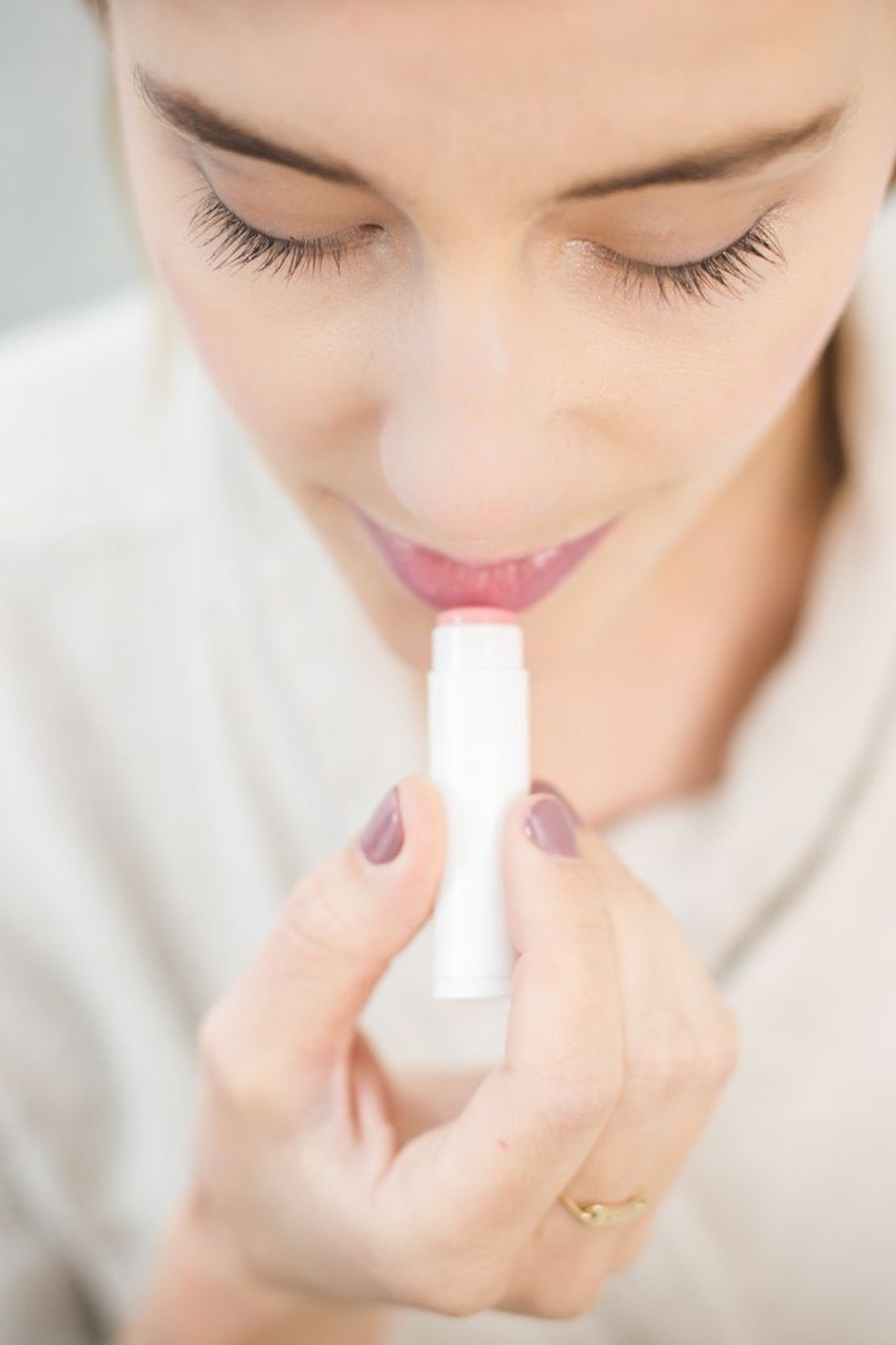
- Apply balm before you need it. Do not wait until your lips hurt. Apply in the morning, before you go outside, after eating or drinking, and before bed. On a bad day, reapply every couple of hours.
- Use a thick ointment at night. Before bed, put on a thick layer of plain petroleum jelly. It seals in moisture while you sleep, which is when lips heal fastest.
- Gently smooth flakes only when lips are not cracked. If your lips are just flaky, rub them very gently with a damp, warm washcloth in small circles, then apply balm right away. Never peel or pull flakes off. If your lips are cracked or bleeding, skip this step entirely.
- Protect your lips before you go outside. Apply balm with SPF 30 or higher before you step into cold air or sun. A scarf pulled up over your mouth helps too.
- Avoid irritants until you heal. Skip products with camphor, menthol, eucalyptus, or fragrance, and skip strong exfoliants, vitamin A, or whitening toothpaste touching your lips, until your lips feel normal again.
The Simple Day and Night Routine
Morning: A thin layer of balm with SPF 30, then your usual lipstick or gloss if you wear it. Reapply balm after eating or drinking.
During the day: Keep a balm in your pocket or bag and reapply whenever your lips feel tight. Drink water through the day. If you wear lipstick, a matte formula dries lips out more than a creamy one.
Night: A thick layer of plain petroleum jelly, right before bed. If your bedroom is dry, run a humidifier. You will wake up with noticeably softer lips.
Pro Tips
- Ingredients that help: Petroleum jelly, ceramides, shea butter, beeswax, and lanolin. Look for one or more of these on the label.
- Ingredients that dry lips out: Camphor, menthol, eucalyptus, salicylic acid, and added fragrance. Avoid these until your lips are fully healed.
- A plain tube beats a fancy pot. A simple stick you carry everywhere gets used more often than a pot that stays at home.
- Change your toothpaste if lips stay raw. Some people react to whitening or tartar-control toothpastes. A plain, simple toothpaste is gentler on your lips.
- Do not pick at flakes. Picking tears the skin and slows healing. Moisturize instead, and let flakes come off on their own.
- Check your medicines. Some acne medicines and other treatments can dry out your lips. If yours are always cracked, ask your doctor or pharmacist whether your medication could be part of it.
Variations
- Cold, dry climate: Use a thick ointment all day, not just at night, and cover your mouth with a scarf outdoors.
- Sunny winter days: SPF 30 balm every morning, reapplied after eating. Snow reflects UV, so winter sun counts.
- Makeup wearers: Apply balm first, blot the extra off, then apply lipstick. A creamy lipstick over balm looks better and feels better than a matte lipstick on dry lips.
- Very cracked lips: Use plain petroleum jelly only, four to six times a day, and avoid all flavored or medicated balms until the cracks close.
Frequently Asked Questions
How long does it take for chapped lips to heal?
Most chapped lips improve in two to three days with the right balm and no licking. Deep cracks take about a week. If nothing improves in two to three weeks, or if the corners of your mouth keep cracking, see a dermatologist.
What is the best lip balm for chapped lips?
A plain, fragrance-free balm or ointment with petroleum jelly, ceramides, or shea butter. Avoid balms with camphor, menthol, eucalyptus, or added fragrance, because they feel good for a minute and dry lips out after.
Should I exfoliate chapped lips?
Only if they are flaky but not cracked. Rub very gently with a damp washcloth, then apply balm right away. If your lips are cracked, bleeding, or sore, do not exfoliate at all. Peeling flakes off always makes things worse.
Why do my lips crack every winter?
Because lip skin is thin and has no oil glands, so it loses moisture faster than any other skin on your face. Cold air and dry indoor heat pull that moisture out every day. A daily balm habit, especially with SPF in the daytime and a thick ointment at night, usually breaks the cycle.
In Short
- Chapped lips are a moisture problem: lip skin is thin and has no oil glands of its own.
- Stop licking your lips, because saliva dries them out more.
- Use a plain, fragrance-free balm with petroleum jelly, ceramides, or shea butter.
- Apply balm before you need it, use SPF 30 in the daytime, and a thick layer of ointment at night.
- Do not peel flakes or use balms with camphor, menthol, or fragrance until your lips heal.
What is your go-to lip balm for winter? Share it in the comments, and tell us what you want us to cover next.
Featured photo: Pexels 374643 by Burst.