
Gochujang Butter Noodles (The Viral 10-Minute Korean Recipe)

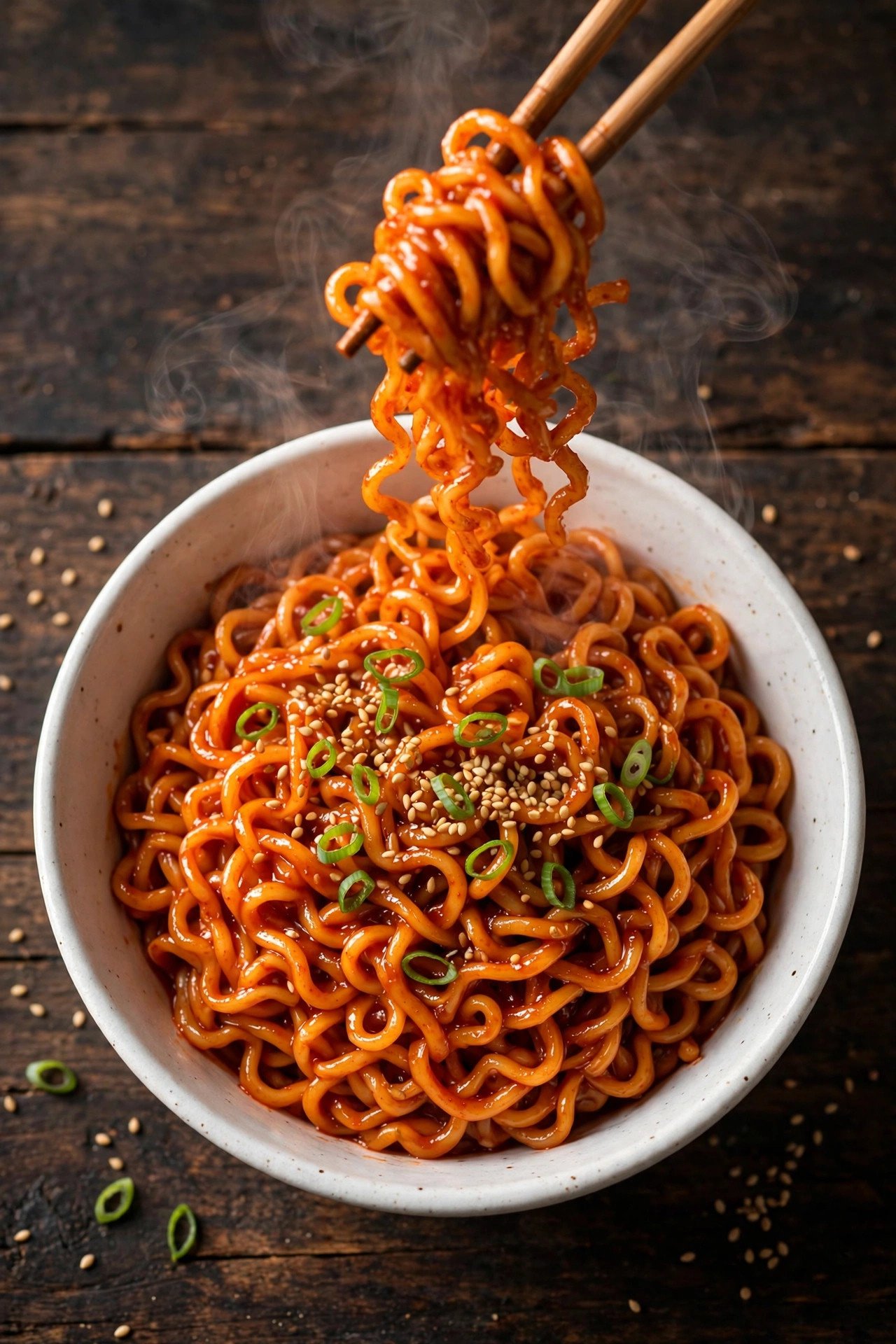
Some recipes break the internet for a reason. Gochujang butter noodles — springy ramen tossed in a glossy sweet-spicy brown butter sauce — went viral because it tastes like restaurant food but takes 10 minutes and a handful of pantry staples. The fermented chili paste brings deep umami heat, the butter rounds it out, and a touch of honey makes it dangerously addictive. This is the weeknight dinner you’ll make on repeat.
Why You’ll Love This Gochujang Butter Noodles
- Sweet, spicy and buttery noodles in about 15 minutes.
- Uses pantry staples like ramen, gochujang, soy sauce and honey.
- Easy to adjust the heat.
- Great on its own or topped with a fried egg.
Key Ingredients
- 2 packs ramen noodles (discard the seasoning packets) — or 200g udon or spaghetti
- 3 tbsp unsalted butter
- 2 tbsp gochujang (Korean fermented chili paste)
- 1 tbsp low-sodium soy sauce
- 1 tbsp honey
- 3 garlic cloves, finely minced
- 1 tsp toasted sesame oil
- 2 green onions, thinly sliced
- 1 tsp toasted sesame seeds
How to Make Gochujang Butter Noodles
- Bring a large pot of water to a boil. Cook the noodles 1 minute less than the package directions. Before draining, reserve 1/2 cup of the hot noodle water, then drain.
- Meanwhile, melt the butter in a large skillet over medium heat until foamy and lightly golden, about 1 minute.
- Add the minced garlic and cook 30 seconds until fragrant. Stir in the gochujang, soy sauce, and honey, and cook 1 minute, stirring, until the sauce turns glossy and deep red.
- Add the drained noodles to the skillet with a splash of the reserved noodle water. Toss for 1–2 minutes until every strand is coated in sauce, adding more noodle water a little at a time for a silky consistency.
- Take off the heat, drizzle with sesame oil, and top with green onions and sesame seeds. Serve immediately while hot and glossy.
- Control the heat: start with 1 tablespoon of gochujang if you’re spice-sensitive, then add more to taste.
- Make it a full meal: top with a soft fried egg, sautéed mushrooms, or crispy pan-fried tofu.
- No ramen on hand? Udon, soba, or even spaghetti work — the sauce clings to anything with a bit of texture.
- Best eaten fresh: the sauce thickens as it sits, so loosen leftovers with a splash of hot water when reheating.
Success Tips
- Save a splash of noodle water. It helps the sauce turn glossy and cling to the noodles.
- Melt the butter over low heat so the garlic does not burn.
- Toss the noodles in the sauce off the heat for a silky finish.
- Add sesame seeds and green onions right before serving for crunch and freshness.
Storage, Make-Ahead and Freezing
These noodles are best eaten right away. Leftovers keep in the fridge for up to 2 days.
Reheat in a skillet with a splash of water to loosen the sauce. Freezing is not recommended.
Frequently Asked Questions
Is gochujang very spicy?
It has a medium, sweet heat. Start with 1 tablespoon and add more to taste.
Can I use other noodles?
Yes. Udon, spaghetti or rice noodles all work well with this sauce.
How can I add protein?
Top with a fried egg, shredded chicken, tofu or shrimp.
Have you made this recipe? Leave a comment and a star rating below. It helps other cooks, and I read every one.
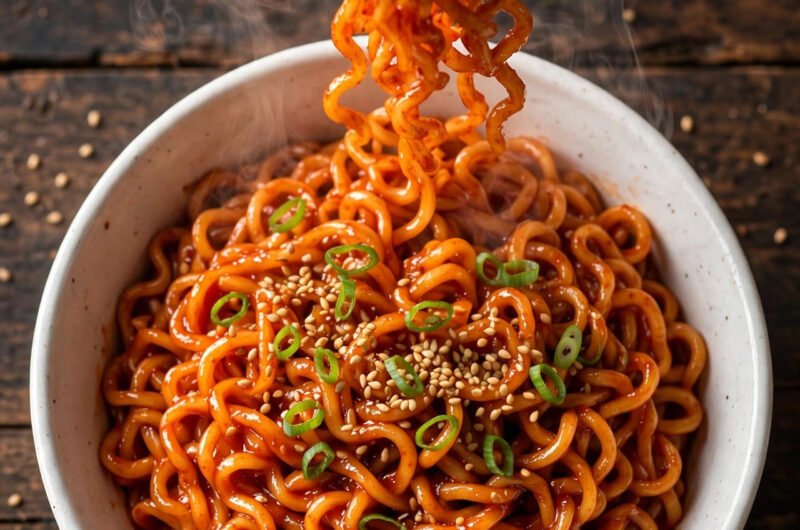
Gochujang Butter Noodles
Some recipes break the internet for a reason.
22
servings2
minutes10
minutes12
minutesIngredients
2 packs ramen noodles (discard the seasoning packets) — or 200g udon or spaghetti
3 tbsp unsalted butter
2 tbsp gochujang (Korean fermented chili paste)
1 tbsp low-sodium soy sauce
1 tbsp honey
3 garlic cloves, finely minced
1 tsp toasted sesame oil
2 green onions, thinly sliced
1 tsp toasted sesame seeds
Directions
- Bring a large pot of water to a boil. Cook the noodles 1 minute less than the package directions. Before draining, reserve 1/2 cup of the hot noodle water, then drain.
- Meanwhile, melt the butter in a large skillet over medium heat until foamy and lightly golden, about 1 minute.
- Add the minced garlic and cook 30 seconds until fragrant. Stir in the gochujang, soy sauce, and honey, and cook 1 minute, stirring, until the sauce turns glossy and deep red.
- Add the drained noodles to the skillet with a splash of the reserved noodle water. Toss for 1–2 minutes until every strand is coated in sauce, adding more noodle water a little at a time for a silky consistency.
- Take off the heat, drizzle with sesame oil, and top with green onions and sesame seeds. Serve immediately while hot and glossy.
- Control the heat: start with 1 tablespoon of gochujang if you’re spice-sensitive, then add more to taste.
- Make it a full meal: top with a soft fried egg, sautéed mushrooms, or crispy pan-fried tofu.
- No ramen on hand? Udon, soba, or even spaghetti work — the sauce clings to anything with a bit of texture.
- Best eaten fresh: the sauce thickens as it sits, so loosen leftovers with a splash of hot water when reheating.
Notes
- For a milder version use 1 tbsp gochujang. Leftovers keep 1 day refrigerated; loosen with hot water when reheating.

3 Comments