Classic Cappuccino (Espresso, Steamed Milk & Thick Foam, 1:1:1)
Intro
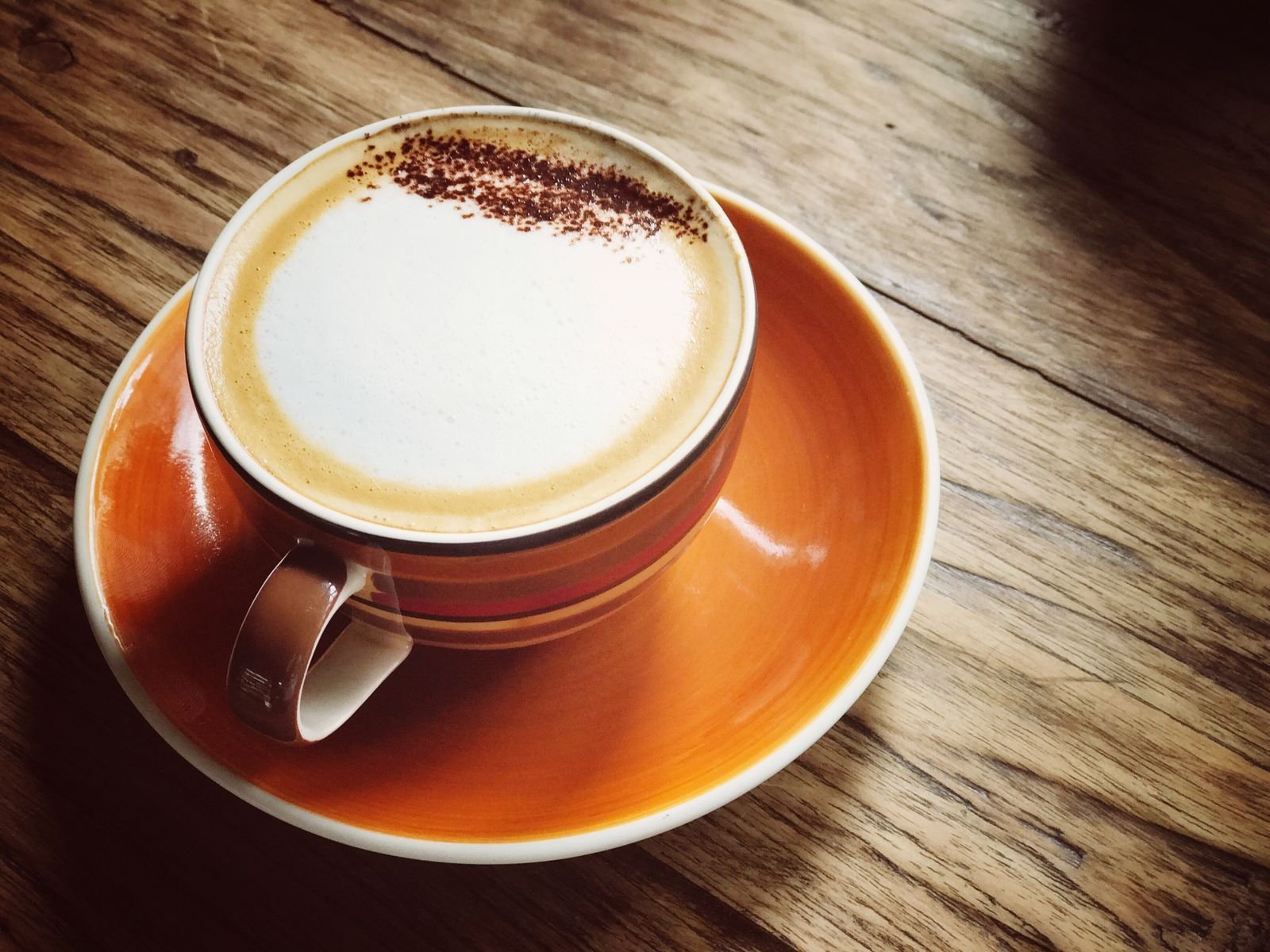
A classic cappuccino is three equal parts in one small cup: a double shot of espresso, steamed milk, and a thick cap of airy foam. No syrups, no oversized mug, no latte-style milk flood — just strong coffee softened by silky milk and finished with foam you could float a spoonful of cocoa on. It takes about five minutes from the first grind to the first sip, and it is the drink that makes a slow morning feel like a cafe morning.
This is an evergreen, make-it-any-day recipe, and it happens to land on National Cappuccino Day (Sunday, November 8). If you like warm drinks, try our Masala Chai Hot Chocolate for a spiced winter cup, or pair your cappuccino with our Soft & Fluffy Cinnamon Rolls for a slow weekend breakfast.
Why This Recipe Works
- The 1:1:1 ratio is the whole drink: Equal parts espresso, steamed milk, and foam keep the coffee strong instead of drowning it in milk — that balance is what separates a cappuccino from a latte.
- Cold milk steams better: Starting with cold whole milk gives you time to build fine microfoam before the milk gets hot, so the foam is silky instead of stiff and bubbly.
- Foam goes on last, by spoon: Spooning the foam over the top keeps the thick cap intact instead of letting it collapse into the milk below.
- Small cup, big flavor: A 5 to 6 oz (150 to 180 ml) cup is the classic size — it keeps the ratio honest and the drink hot to the last sip.
Ingredients
- 1 double shot espresso (2 oz / 60 ml), from about 18 g finely ground coffee
- 3 oz (90 ml) cold whole milk (about 2 oz steamed milk + 1 oz foam)
- 1 tsp sugar, optional
- Unsweetened cocoa powder or ground cinnamon, for dusting, optional
(full list in card)

How to Make a Classic Cappuccino
Step 1: Pull the espresso
Brew a double shot of espresso (2 oz / 60 ml) straight into a warm 5 to 6 oz (150 to 180 ml) cup. If you use sugar, stir it into the hot espresso now so it dissolves completely. Warming the cup first — a quick rinse with hot water — keeps the drink hot longer.
Step 2: Steam the milk
Pour the cold whole milk into a small steaming pitcher. Steam until the milk reaches 150 degrees F (65 degrees C) and has grown by about a third, with a glossy, wet-paint shine and tiny bubbles. Tap the pitcher once on the counter and swirl it to pop any large bubbles — the foam should look like melted ice cream, not stiff meringue.
Step 3: Pour the milk
Hold the cup at a slight tilt and pour the steamed milk into the espresso in a slow, steady stream, letting it dive under the crema and blend. Stop when the cup is about two-thirds full, so there is room for the foam cap.
Step 4: Spoon on the foam
Spoon the remaining thick foam over the top until it sits in a dome about 1/3 inch (1 cm) above the rim. The classic finish is a dusting of cocoa powder or cinnamon over the foam — or a simple leaf pour if you like latte art.
Step 5: Serve immediately
Serve right away while the foam is high and the cup is hot. A cappuccino waits for no one: the foam starts to settle within a few minutes.
Tips
- Use whole milk: Whole milk steams into the richest, most stable foam. Low-fat milk makes thinner foam that collapses faster, and oat milk is the best non-dairy stand-in.
- Do not overheat the milk: Past 160 degrees F (70 degrees C) milk tastes scorched and the foam turns dry. Pull the pitcher at 150 degrees F (65 degrees C) — it keeps warming a few degrees after you stop.
- No steamer, no problem: Heat the milk on the stove to 150 degrees F (65 degrees C), then froth it with a handheld milk frother or shake it hard in a sealed jar for 30 seconds. The foam will be a little coarser, but the ratio still works.
- Grind fine, tamp level: Espresso needs a fine grind and an even tamp. If your shot runs in under 20 seconds it will taste thin and sour; over 35 seconds and it turns bitter.
- A slow pour makes the art: For a simple leaf, pour low and slow from just above the surface and wiggle the pitcher gently side to side as the cup fills.
Variations
- Dry cappuccino: Use less steamed milk and more foam — a lighter, stronger drink with an extra-thick cap.
- Wet cappuccino: Use more steamed milk and less foam, closer to a flat white, for a creamier cup.
- Mocha cappuccino: Stir 1 tablespoon cocoa powder into the hot espresso before adding the milk.
- Honey cappuccino: Replace the sugar with 1 teaspoon honey, stirred into the espresso.
- Iced cappuccino: Pour the espresso over ice, add cold milk, and spoon cold frothed milk on top — a summer version, not the classic hot cup.
Storage
A cappuccino is a serve-immediately drink and does not keep: the foam settles and the milk cools within minutes. Do not refrigerate or reheat a finished cappuccino. What you can make ahead is the espresso itself — pull the shot and keep it covered at room temperature for up to 30 minutes, then steam fresh milk and build the drink when you are ready to serve it.
Frequently Asked Questions
What is the difference between a cappuccino and a latte?
The ratio. A cappuccino is equal parts espresso, steamed milk, and foam (1:1:1) in a small 5 to 6 oz cup, so the coffee stays strong and the foam cap is thick. A latte has much more steamed milk than foam and comes in a larger cup, so it tastes milkier and milder.
Do I need an espresso machine to make a cappuccino?
An espresso machine gives the real thing, but a moka pot or a strong AeroPress brew makes a good stand-in base — use 2 oz (60 ml) of very strong coffee. For the milk, a handheld frother or a jar-shake works when you have no steam wand.
Why is my foam full of big bubbles?
Big bubbles mean too much air went in too fast, or the milk got too hot. Keep the steam tip just under the surface, add air only in the first few seconds, then sink the tip deeper to heat and polish the milk. Tapping and swirling the pitcher after steaming pops the stragglers.
Can I make a cappuccino with oat or almond milk?
Yes. Barista-style oat milk steams closest to whole milk. Almond milk foams lighter and thinner, so expect a smaller cap. Whatever you use, start cold and stop at 150 degrees F (65 degrees C).
Classic Cappuccino
Course: DrinksCuisine: Italian1 cappuccino
servings2
minutes3
minutes60
kcal5
minutesIngredients
1 double shot espresso (2 oz / 60 ml), from about 18 g finely ground coffee
3 oz (90 ml) cold whole milk
1 tsp sugar, optional
Unsweetened cocoa powder or ground cinnamon, for dusting, optional
Directions
- Brew a double shot of espresso into a warm 5 to 6 oz (150 to 180 ml) cup; stir in sugar if using.
- Steam the cold whole milk to 150 degrees F (65 degrees C) until glossy with fine microfoam; tap and swirl the pitcher to pop large bubbles.
- Pour the steamed milk into the espresso in a slow, steady stream until the cup is about two-thirds full.
- Spoon the remaining foam over the top in a dome, then dust with cocoa or cinnamon if you like.
- Serve immediately while the foam is high and the cup is hot.
Notes
- Nutrition (estimated per serving, unsweetened): 60 calories, 3 g fat, 5 g carbohydrates, 0 g fiber, 5 g sugar, 3 g protein, 55 mg sodium. One teaspoon of sugar adds about 15 calories. Values are estimates and will vary with the exact milk and coffee used.