Classic Scottish Shortbread (Buttery, Crumbly, Just 4 Ingredients)
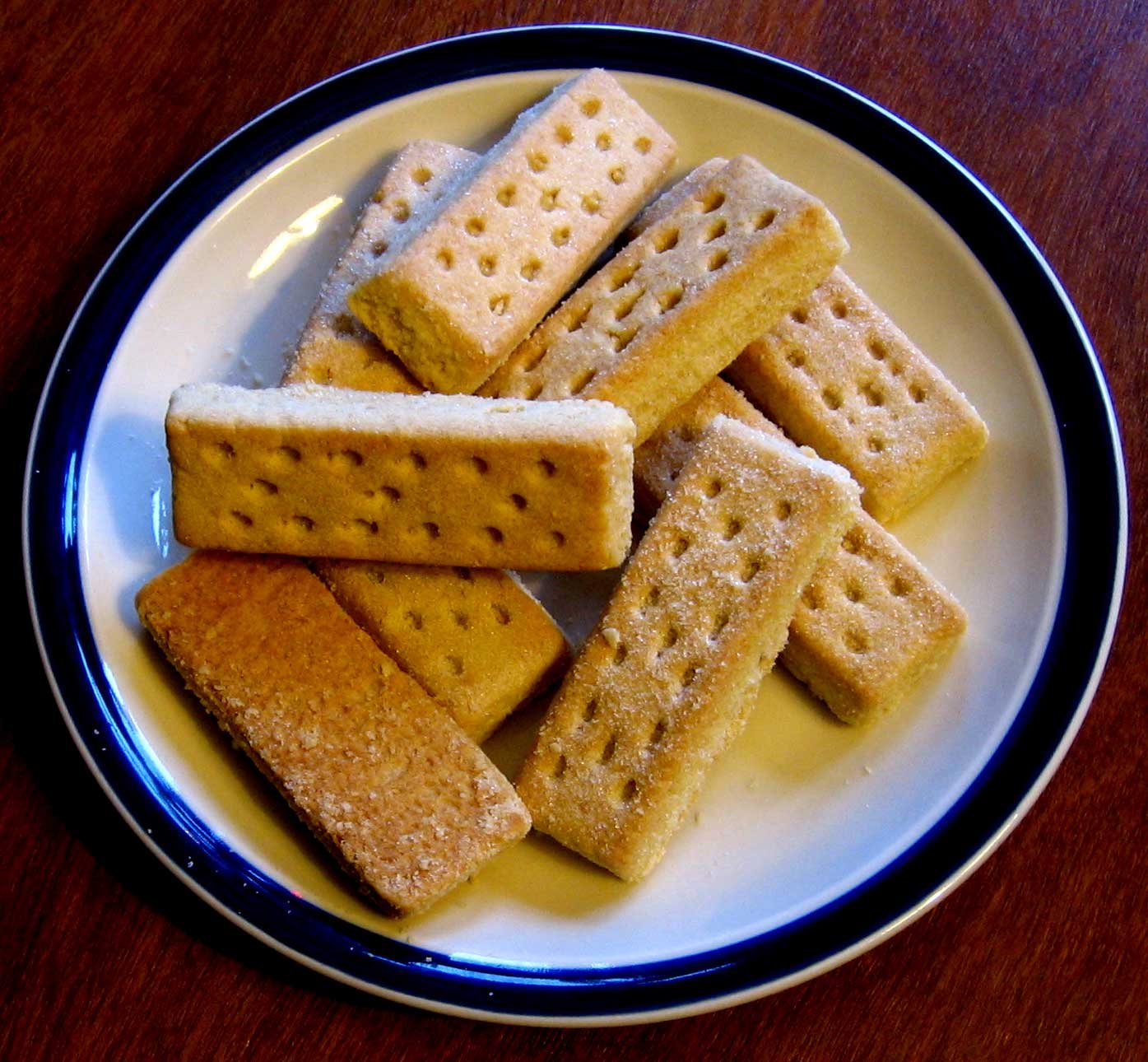
Classic Scottish shortbread is proof that the simplest baking is often the best. Four ingredients — butter, sugar, flour, and salt — turn into golden, crumbly fingers with a sandy bite and a sugary top. There is no leavening, no eggs, and no fuss, which is exactly why this recipe has lasted for centuries. Prick the dough with a fork, bake it low and slow, and you get a cookie that snaps, then melts.
If you love simple bakes like this, try Chewy Chocolate Chip Cookies and Cardamom Chai Cookies next — both are pantry-friendly cookies that disappear just as fast.
Why This Recipe Works
- Four ingredients, nothing to hide behind: Good butter and the right flour-to-butter ratio give shortbread its signature crumbly, melt-in-the-mouth texture.
- Low and slow baking: A moderate oven dries the dough out gently instead of browning it too fast, so the fingers stay pale gold and crisp.
- Pricking matters: Fork holes let steam escape evenly, so the shortbread bakes flat and crisp instead of puffing.
- It keeps beautifully: Shortbread tastes even better the next day and stays crisp for over a week in a tin.
Ingredients
- 1 cup (227 g) unsalted butter, softened
- 1/2 cup (100 g) granulated sugar, plus 2 tablespoons (25 g) for sprinkling
- 2 cups (250 g) all-purpose flour
- 1/4 teaspoon (1.5 g) fine salt
(full list in card)
How to Make Classic Scottish Shortbread
Step 1: Cream the butter and sugar
Beat the softened butter and sugar in a large bowl until pale and fluffy, about 2 to 3 minutes. The mixture should look light and creamy, not gritty.
Step 2: Mix in the flour and shape the dough
Add the flour and salt and mix on low just until a soft dough comes together. Do not overmix, or the shortbread turns tough. Press the dough into an 8-inch (20 cm) square pan lined with parchment, or roll it out 1/2 inch (1.3 cm) thick and cut it into fingers.
Step 3: Prick and chill
Prick the dough all over with a fork in neat rows, then sprinkle with the extra sugar. Chill the pan for 30 minutes so the fingers hold their shape in the oven.
Step 4: Bake low and slow, then cool
Bake at 325°F (165°C) for 28 to 32 minutes, until the top is pale gold and firm at the edges. Cool in the pan for 10 minutes, then cut into fingers while still warm and cool completely before serving.
Tips
- Use real butter, not spread: Butter is the main flavor here, so a good-quality unsalted butter makes all the difference.
- Do not overwork the dough: Mix only until the flour disappears. Overmixing develops gluten and turns shortbread hard instead of crumbly.
- Keep the color pale: Shortbread should be light gold, not brown. If the edges darken fast, your oven runs hot — drop it by 10 degrees next time.
- Cut while warm: Score or cut the fingers while the shortbread is still warm, then let it cool fully so the pieces break cleanly.
Storage
Store the shortbread in an airtight container or tin at room temperature for up to 2 weeks. It also freezes well for up to 3 months; thaw at room temperature before serving. Keep it away from strong-smelling foods, since butter picks up odors easily.
Frequently Asked Questions
Why is my shortbread hard instead of crumbly?
It was most likely overmixed or baked too long. Mix the dough only until it comes together, and pull the pan when the top is pale gold — the shortbread firms up as it cools.
Can I use salted butter?
Yes. If you use salted butter, skip the added salt in the recipe. The flavor will be very slightly saltier, which many people enjoy with shortbread.
Do I have to chill the dough?
Chilling is worth it. It firms the butter so the fingers keep their shape and bake evenly instead of spreading. If you are short on time, 15 minutes in the freezer works.
Can I make shortbread rounds instead of fingers?
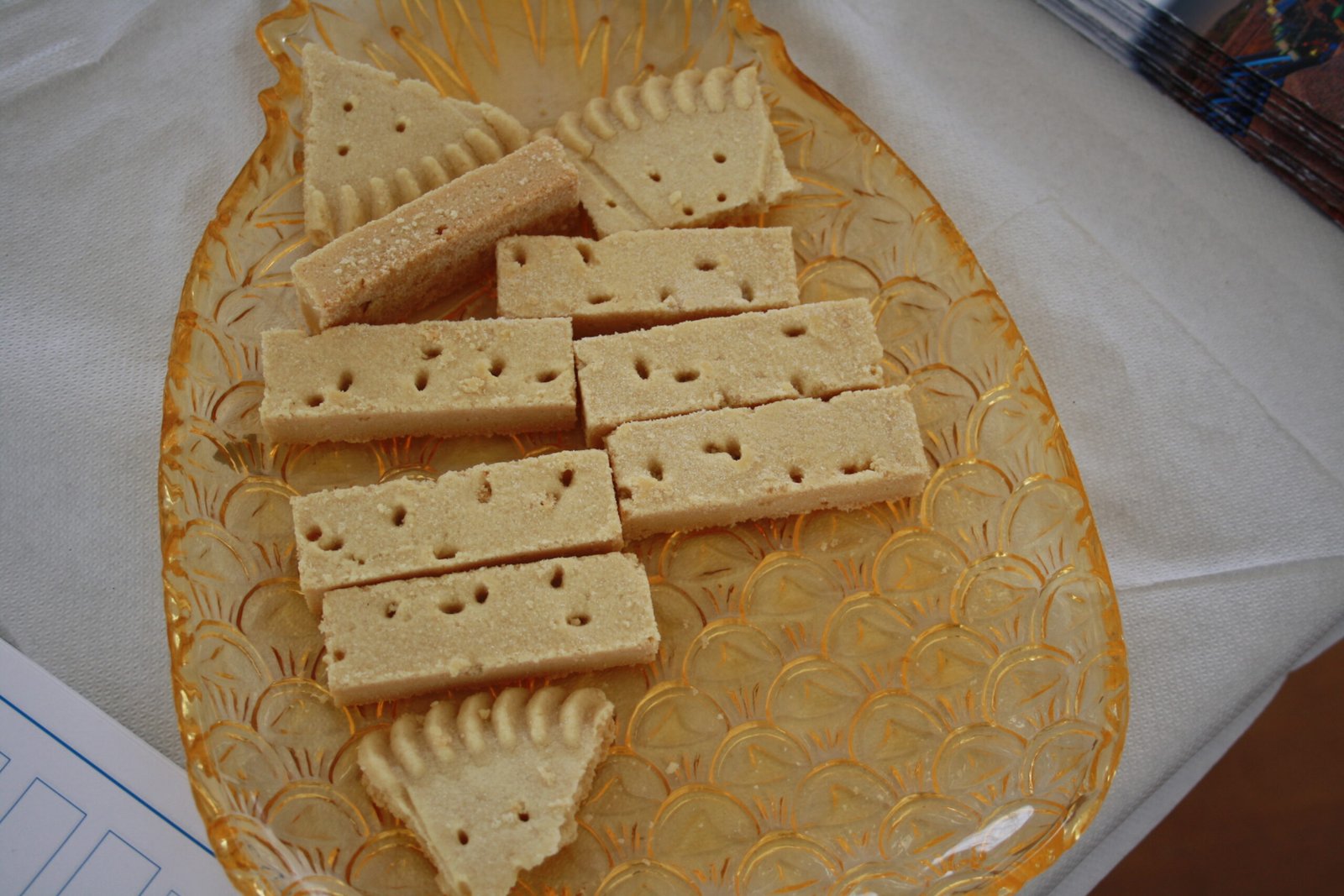
Absolutely. Press the dough into a round cake pan, score it into wedges, and prick each wedge. This is the traditional petticoat-tail shape, and it bakes the same way.
Classic Scottish Shortbread
Course: DessertCuisine: British16 fingers
servings15
minutes30
minutes190
kcal75
minutesIngredients
1 cup (227 g) unsalted butter, softened
1/2 cup (100 g) granulated sugar, plus 2 tablespoons (25 g) for sprinkling
2 cups (250 g) all-purpose flour
1/4 teaspoon (1.5 g) fine salt
Directions
- Beat the softened butter and sugar in a large bowl until pale and fluffy, about 2 to 3 minutes. The mixture should look light and creamy, not gritty.
- Add the flour and salt and mix on low just until a soft dough comes together. Do not overmix, or the shortbread turns tough. Press the dough into an 8-inch (20 cm) square pan lined with parchment, or roll it out 1/2 inch (1.3 cm) thick and cut it into fingers.
- Prick the dough all over with a fork in neat rows, then sprinkle with the extra sugar. Chill the pan for 30 minutes so the fingers hold their shape in the oven.
- Bake at 325°F (165°C) for 28 to 32 minutes, until the top is pale gold and firm at the edges. Cool in the pan for 10 minutes, then cut into fingers while still warm and cool completely before serving.
Photo Credits
Hero photo “Shortbread fingers” by Dave souza, CC BY-SA 2.5, https://commons.wikimedia.org/wiki/File:Shortbread_fingers.jpg
Second photo “Malcolms Scottish shortbread” by Peter Craven, CC BY 2.0, https://commons.wikimedia.org/wiki/File:Malcolms_Scottish_shortbread_(7519979640).jpg